
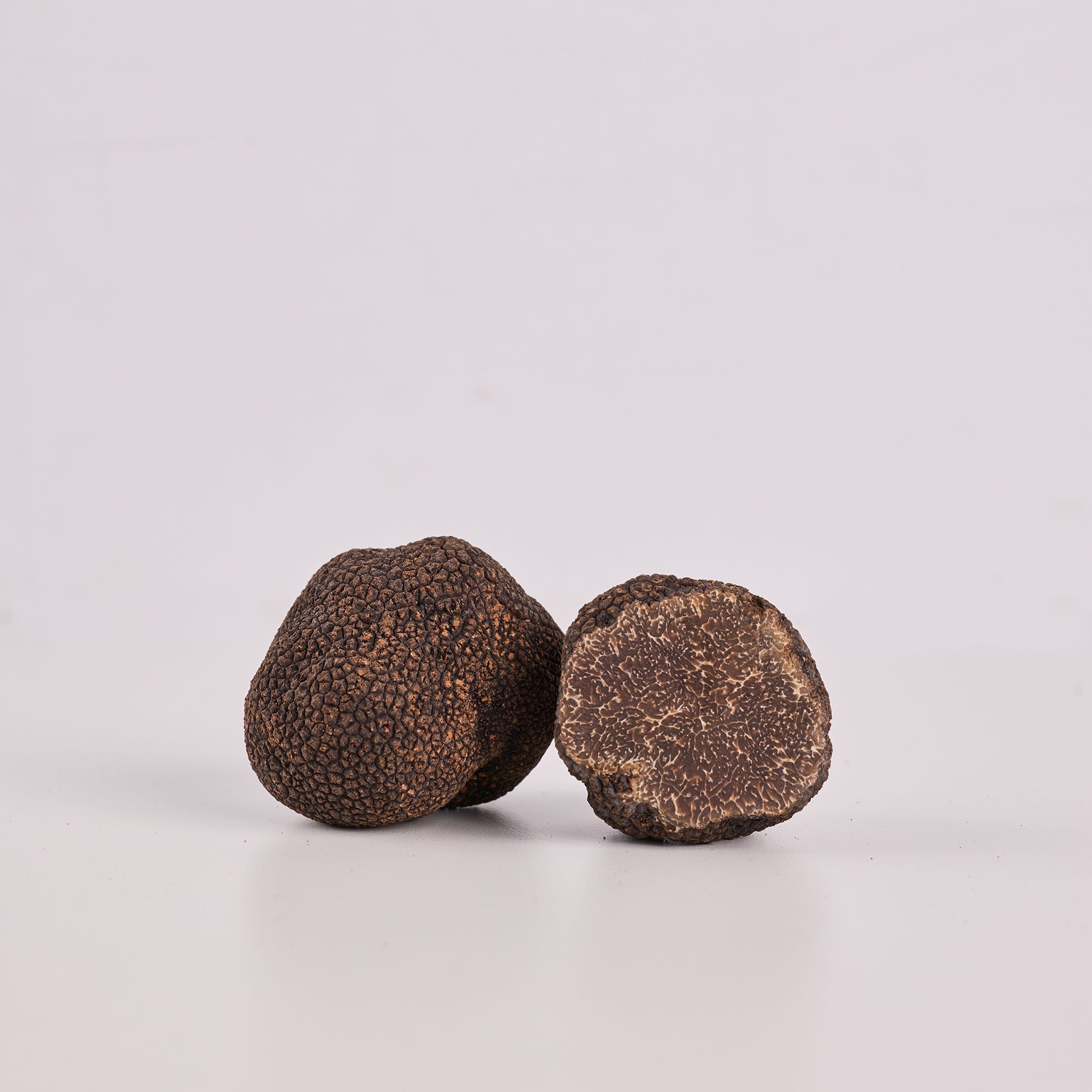
Black Truffles vs. White Truffles: What’s the Difference?
Truffles are among the most prized ingredients in the culinary world, celebrated for their luxurious aroma, complex flavor, and rarity. While many people recognize truffles as a gourmet delicacy, fewer understand that black truffles and white truffles are distinctly different from how they grow and taste to how they’re used in the kitchen.
If you’ve ever wondered which truffle is right for your dish, or your palate, here’s a closer look at the key differences between black truffles vs. white truffles.
Black Truffles:
Black truffles come in several notable varieties, including Black Winter Truffles, Black Summer Truffles, and Black Burgundy Truffles. While black truffles tend to have a more subtle aroma than white truffles, they offer a deeper, more robust flavor.
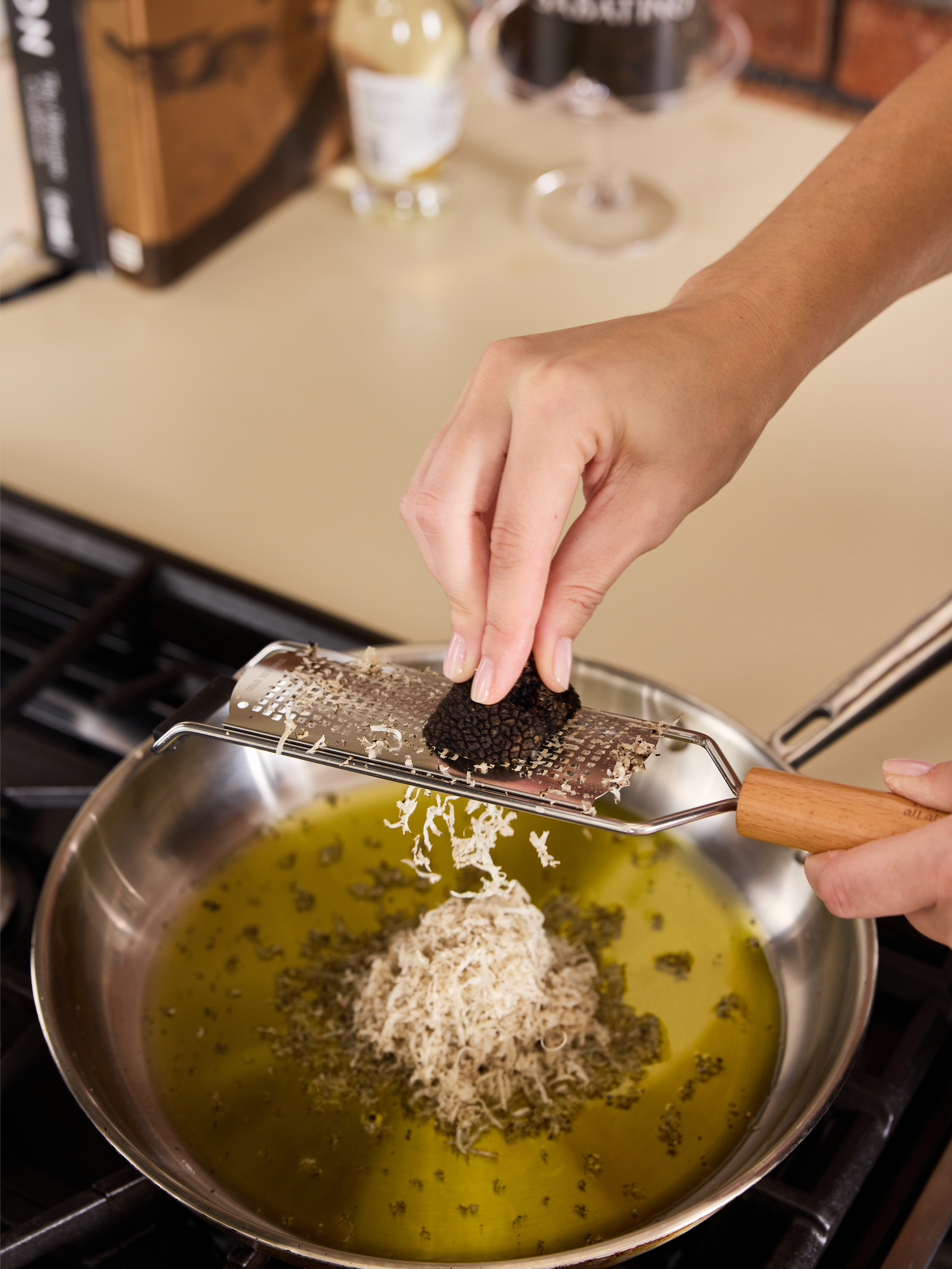
Their taste is often described as earthy and savory, with rich nutty notes and hints of chocolate and hazelnut. This bold flavor profile allows black truffles to pair beautifully with warm dishes and withstand gentle heat.
Unlike white truffles, black truffles can be cultivated, allowing for a more abundant and consistent harvest. They also have longer seasons and a perishable window of approximately 2–3 weeks, making them more versatile for both home cooks and professional chefs.
Best uses for black truffles:
Pasta, risotto, meats, sauces, and truffle-infused products like butter and oil.
White Truffles:
White truffles are the rarest and most elusive truffle species. They grow only in the wild and require highly specific soil, climate, and environmental conditions to form. Because they cannot be cultivated, white truffles are extremely limited in supply.
Their season is very short, and their perishable life is even shorter, adding to their exclusivity. What truly sets white truffles apart is their intensely aromatic profile -bold, pungent, and unmistakable.
White truffles are known for strong notes of garlic, aged cheese, and musk, paired with a delicate, refined flavor. Due to their intensity, they are never cooked and are instead shaved raw over finished dishes to preserve their aroma.
Best uses for white truffles:
Fresh pasta, eggs, risotto, and simple dishes that allow the truffle’s aroma to shine.

Leave a comment
This site is protected by hCaptcha and the hCaptcha Privacy Policy and Terms of Service apply.